Why Do I Pee When I Coughing?

Locate Treatment
You may discover a renovation from Kegels in around 6-- 12 weeks if you execute them properly. However, just how swiftly you see outcomes depends on the strength of your pelvic floor muscle mass. A pelvic flooring therapist can examine your kind and assist you build a strategy that fits your signs. Talk to your physician to discover which stress and anxiety urinary incontinence treatment alternatives are best for you.- Although men can experience SUI, it is extra prevalent in women, and specifically those who have given birth.
- Persistent cough, a cough that lasts eight weeks or longer, can put pressure on the muscles of the pelvic flooring and cause anxiety urinary incontinence.
- KGoal's biofeedback fitness instructors for men and women offer you real-time support to help train the right muscle mass.
Exercise Your Pelvic Flooring
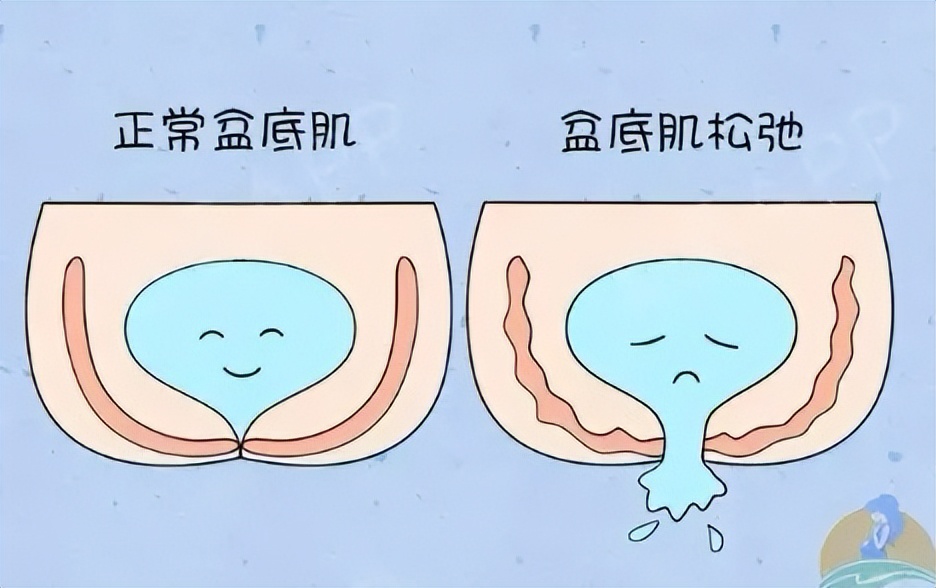
She or he can refer you to physiotherapists at NYU Langone's Rusk Rehab for Hop over to this website additional support. Being obese or obese can place additional pressure on the pelvic flooring muscle mass, which can result in stress and anxiety incontinence. It is very important to work out and consume a diet plan low in sugar, fat, and calories to shed or maintain weight. Your physician can refer you to NYU Langone's Weight Monitoring Program, where specialists can aid develop a diet regimen plan that's right for you. We assessed the partnership between the circulation of cause of persistent cough and the event of UI, and found that neither single neither compound reasons might substantially raise the threat of UI. In somebody without tension urinary incontinence, the pelvic floor tightens without them even thinking about it. Dripping pee when you cough is much more typical than most people think, and it's treatable. This guide clarifies what creates it, who it impacts (both men and women), and six medically backed methods to stop it. The majority of treatment plans start with basic actions, such as at-home changes and pelvic floor exercises. That pressure can occur from daily actions such as coughing, sneezing, or laughing. Elite athletes deal with incontinence, also," says Heidi Austin, PT, DPT, a Joint Health and wellness physiotherapist.Why do I pass pee every single time I cough?
Dripping pee when there''s stress on your bladder is the key sign of stress and anxiety incontinence. Light stress urinary incontinence might trigger you to leak a couple of decreases of pee while chuckling, coughing, sneezing, squatting or doing hefty workout.